Day Care · PP1 · PP2
Early Years
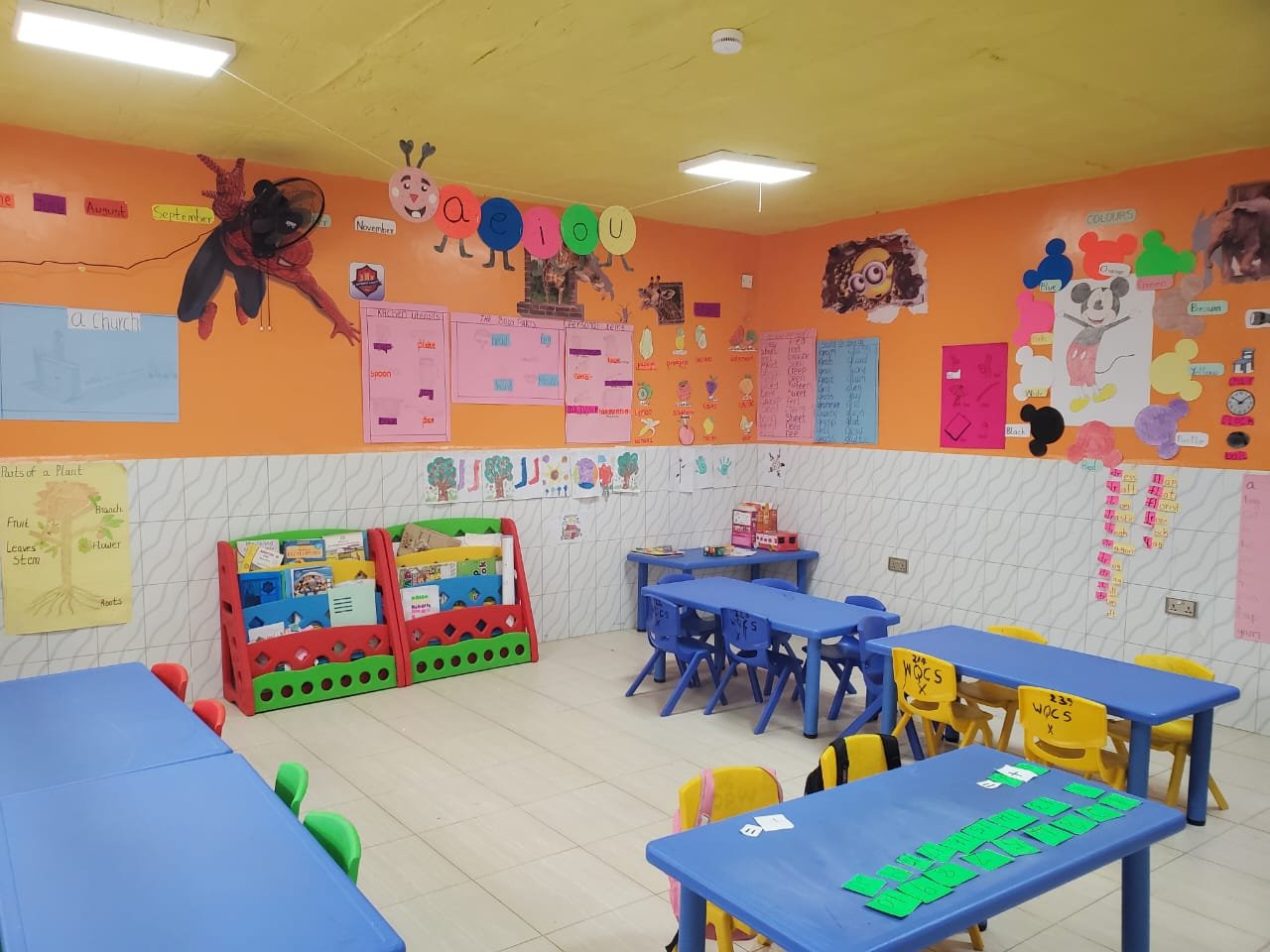
Play-based foundations in language, numeracy, motor skills and social confidence. Warm classrooms, colourful learning corners and caring teachers who know every child by name.
Monday to Saturday, 7:30 am – 5:30 pm
Programs & Curriculum · CBC
Parents want structure. Here is how WitQuest Castle School organises learning — stage by stage, with CBC learning areas, one foreign language at a time (French or Spanish), music classes, ATLS skills, honest assessment and technology in every classroom.
Day Care · PP1 · PP2
Play-based foundations in language, numeracy, motor skills and social confidence. Warm classrooms, colourful learning corners and caring teachers who know every child by name.
Grade 1 – Grade 3
Literacy and numeracy mastery, inquiry habits and CBC learning areas delivered in small classes. Learners build independence while staying supported.
Grade 4 – Grade 6
Deeper subject specialism, project work, digital skills and preparation for junior secondary pathways — with character and global citizenship at the centre.
Foreign languages
World languages sit inside the timetable, not as an afterthought — but one at a time. Each class takes a single foreign language, French or Spanish, through songs, stories, conversation and culture. Chinese (Mandarin) is planned and will start once teachers and materials are in place.
Taught now
One foreign language at a time: learners on the French stream build spoken confidence through songs, greetings, simple reading and classroom conversation.
Taught now
Spanish runs as the alternative stream — greetings, numbers, stories and culture — so each class takes one world language at a time, not two at once.
Coming soon
Mandarin is on the school plan. We are preparing teachers, materials and a gentle introduction so Chinese can join the timetable.
Integrated across the curriculum
ATLS is woven through every learning area, not taught as a separate subject. Teachers plan lessons so children practise how to learn — thinking, communicating, collaborating and managing themselves — while they master CBC content from Day Care up to Grade 6.
Learners practise asking better questions, comparing ideas and explaining how they solved a problem — not only what the answer is.
Speaking, listening, writing and presenting are taught across subjects, including in foreign-language lessons.
Pair and group tasks, shared projects and peer feedback so children learn to work with others, not only beside them.
Routines for focus, organisation and reflection help every child take more responsibility for their own learning.
We deliver the Competency Based Curriculum with fidelity — competencies, values and pertinent issues woven into daily lessons for a Kenyan heart and a global mind.
Learner-centred CBC practice: demonstration, guided practice, collaborative tasks and reflection. Teachers plan for mixed abilities and celebrate progress, not only scores.
Continuous formative checks, termly reports, portfolios and parent conferences. We track skills and values alongside academic outcomes so families always know how their child is growing.
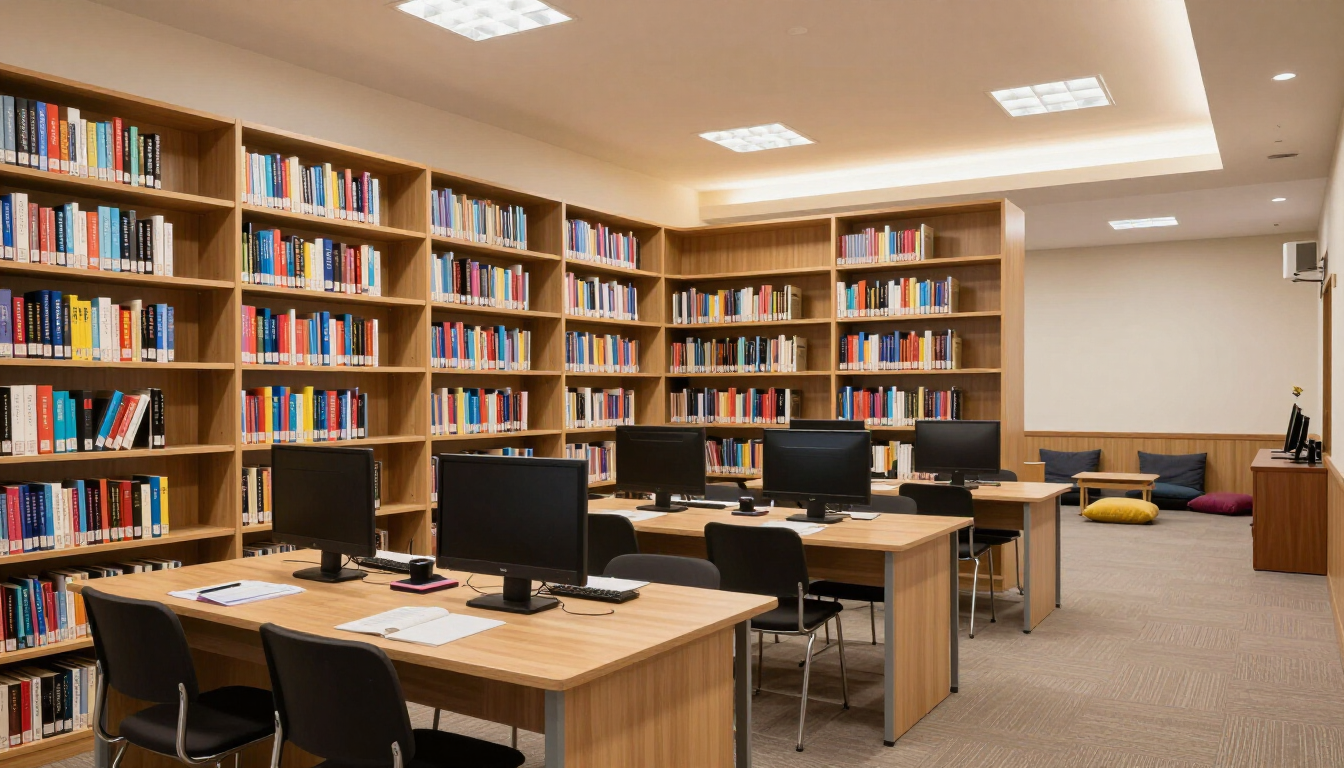
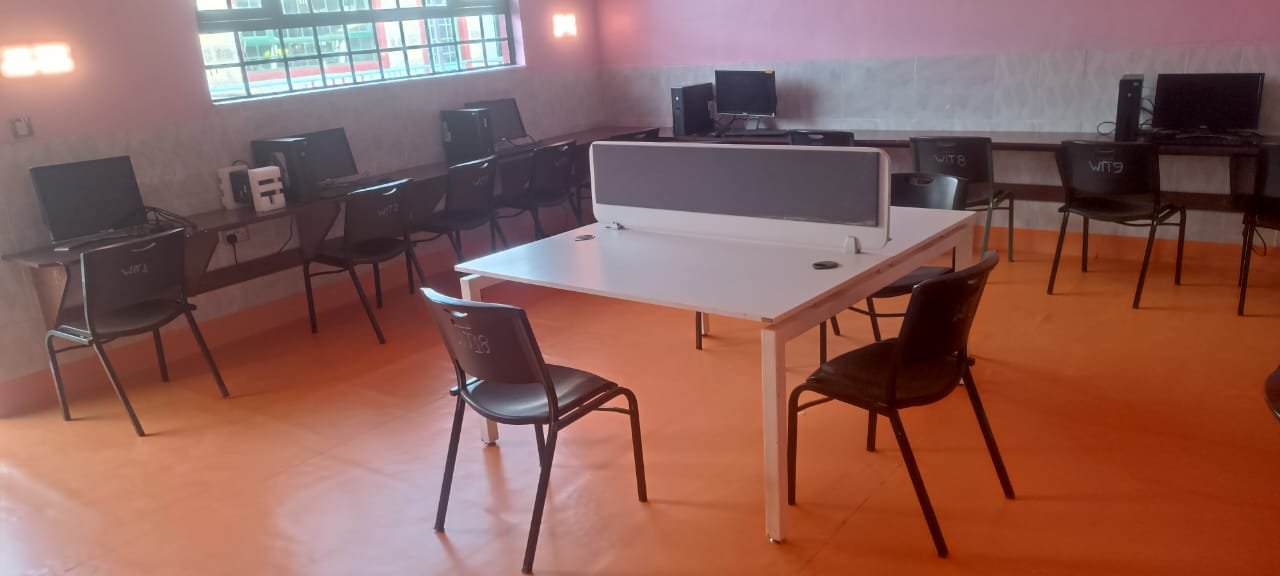
Smart boards and projectors in classrooms, a dedicated computer lab, tablets for research and digital literacy from the early grades — technology as a tool, not a distraction.
Dedicated music classes in our purpose-built music room — singing, instruments, rhythm and performance — alongside creative arts, so every child grows talent beyond academics.
Sports, environmental club, debate and faith-based groups enrich the timetable. Assemblies, field trips and community events extend learning beyond the classroom.
Programs questions
A continuous CBC pathway from Day Care through PP1 and PP2, then Grades 1 to 6 — all on one campus, so your child does not change schools as they progress.
Each class studies a single foreign language, French or Spanish, through songs, stories, conversation and culture. Learning one language properly at a time builds real spoken confidence; Chinese (Mandarin) is planned for the future.
Music classes in our dedicated music room, sports, environmental club, debate, creative arts and faith-based groups — more than thirty clubs and pathways across the year, plus assemblies, field trips and community events.
Smart boards and projectors in every classroom, tablets for guided research and a dedicated computer lab. Digital literacy starts in the early grades, always as a tool for learning rather than a distraction.
Yes. We deliver the Competency Based Curriculum with fidelity — competencies, values and pertinent issues planned into every learning area — for a Kenyan heart and a global mind.
Tour classrooms, meet teachers and ask about placement for your child's stage.
No-smoking zone · Health & safety take paramount priority at WitQuest Castle School.